
New York City is not one experience but hundreds packed into five boroughs. A memorable visit can include famous landmarks, neighborhood walks, Broadway performances, museums, skyline views, waterfront parks, and food markets. The best itinerary balances advance reservations with open time for unexpected discoveries.
This guide covers the best things to do in New York for first-time visitors, couples, families, and solo travelers. Four days can cover the major highlights, while five to seven days allows a slower pace. Group attractions by neighborhood, wear comfortable shoes, use public transportation, and confirm official schedules.
Table of Contents
- Explore Central Park
- Visit the Statue of Liberty and Ellis Island
- Choose an Observation Deck
- Discover World-Class Museums
- Watch a Broadway Show
- Walk the Brooklyn Bridge and DUMBO
- Explore Distinctive Neighborhoods
- Taste Classic New York Food
- Enjoy Free Attractions
- Experience New York at Night
- Plan Family-Friendly Activities
- Follow a Four-Day Itinerary
- Frequently Asked Questions
1. Explore Central Park
Central Park provides an essential break from Manhattan’s energy. A focused walk can cover Bethesda Terrace, Bow Bridge, the Mall, Sheep Meadow, Strawberry Fields, and the lake. The Reservoir and Conservatory Garden are worthwhile additions for visitors seeking quieter paths.
Every season creates a different experience. Spring brings blossoms, summer suits picnics, autumn covers the park in warm color, and winter offers skating and atmospheric photography. Start near 72nd Street for recognizable landmarks, or enter from Columbus Circle and walk north.
2. Visit the Statue of Liberty and Ellis Island
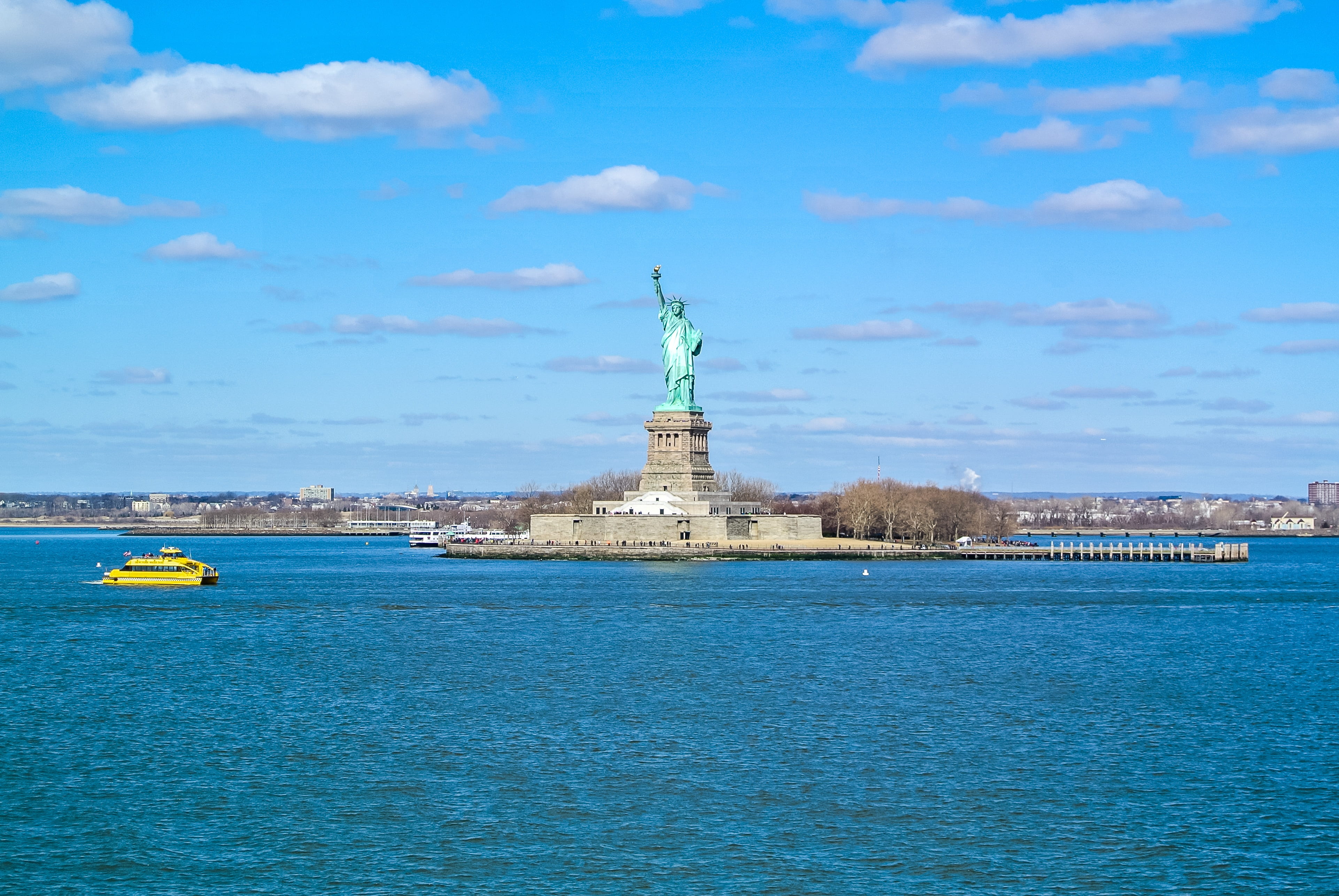
The Statue of Liberty and Ellis Island combine harbor scenery with American history. Ferries from Lower Manhattan serve both islands. Liberty Island offers close statue views and a museum, while Ellis Island explains the immigrant journey through photographs, records, objects, and personal stories.
Reserve an early ferry because security, museums, and transfers require several hours. Pedestal or crown access usually needs a separate reservation. Travelers with limited time can ride the free Staten Island Ferry for statue and skyline views, although it does not stop at Liberty Island.
3. Choose an Observation Deck
New York’s observation decks provide different skyline perspectives. The Empire State Building delivers history and Art Deco atmosphere. Top of the Rock frames Central Park and the Empire State Building. One World Observatory overlooks the harbor, while Edge and SUMMIT One Vanderbilt provide immersive experiences.
Most visitors need only one deck. Reserve a time before sunset to see daylight, golden hour, and illuminated buildings during one visit. Clear weather matters more than the building, so check visibility before committing. Allow time for security, elevators, photographs, and crowded viewing areas.
4. Discover World-Class Museums
The Metropolitan Museum of Art is an excellent first choice because its collections span ancient civilizations, European masters, American art, fashion, sculpture, and decorative arts. The Museum of Modern Art suits visitors interested in modern design, photography, painting, film, and artists.
Families often prefer the American Museum of Natural History. The Whitney focuses on American art, and the Guggenheim combines exhibitions with architecture. The Tenement Museum explores immigration and working life through guided experiences. Choose one museum to prevent fatigue.
5. Watch a Broadway Show
A Broadway performance is one of New York’s defining experiences. The theater district presents musicals, plays, comedies, revivals, and family productions throughout the year. Select a show matching your interests rather than popularity alone, and purchase tickets through official box offices or authorized sellers.
Budget travelers can look for lotteries, rush tickets, standing-room offers, and weekday performances. Arrive at least thirty minutes early and confirm the theater address. Afterward, experience the lights of Times Square, then walk toward Hell’s Kitchen for broader late-night dining choices.
6. Walk the Brooklyn Bridge and DUMBO
Walking the Brooklyn Bridge is free, scenic, and especially enjoyable early in the morning. Starting in Manhattan creates a gradual approach toward Brooklyn, while starting in Brooklyn provides strong skyline views. Stay in the pedestrian lane and avoid blocking narrow areas for photographs.
After crossing, explore DUMBO’s cobblestone streets, converted warehouses, galleries, cafés, and the famous Manhattan Bridge view from Washington Street. Continue through Brooklyn Bridge Park for lawns, waterfront paths, playgrounds, and sunset scenery. Nearby Brooklyn Heights Promenade offers another excellent harbor perspective.
7. Explore Distinctive Neighborhoods
New York becomes more interesting beyond Midtown. Greenwich Village offers historic streets, music history, brownstones, and Washington Square Park. SoHo is known for cast-iron architecture and boutiques. Chinatown and the Lower East Side combine immigration history with bakeries, markets, restaurants, nightlife, and independent shops.
Harlem rewards visitors with cultural landmarks, jazz, soul food, and elegant residential blocks. Williamsburg combines waterfront parks with creative businesses. Astoria, Jackson Heights, and Flushing showcase Queens’ international food. Spend at least half a day exploring one neighborhood without rushing between landmarks.
8. Taste Classic New York Food
Food should be a central part of the itinerary. Essential experiences include a boiled bagel, foldable pizza slice, deli sandwich, cheesecake, dumplings, a street-cart meal, and something sweet from a neighborhood bakery. Food halls and public markets help groups sample several cuisines together.
Reserve celebrated restaurants early, but leave room for spontaneous meals. Small counters, family-run dining rooms, and neighborhood institutions are often more memorable than tourist restaurants. Explore Chinatown, Flushing, Jackson Heights, Arthur Avenue, and the Lower East Side. Check weekly closing days before traveling.
9. Enjoy Free Attractions
New York can be expensive, but many memorable experiences cost nothing. Walk the High Line, cross the Brooklyn Bridge, explore Central Park, ride the Staten Island Ferry, visit Grand Central Terminal, enter the New York Public Library, relax in Bryant Park, and watch sunset from a waterfront park.
Seasonal calendars add concerts, outdoor films, public art, festivals, fitness classes, and neighborhood events. Save money by grouping attractions geographically and choosing one paid anchor activity each day. Public spaces reveal daily city life, architecture, street performance, and unexpected views.
10. Experience New York at Night
New York nightlife extends beyond clubs. Evenings can include jazz, comedy, Broadway, rooftop bars, live music, sports, late museum programs, neighborhood restaurants, or walks through illuminated streets. Greenwich Village suits comedy and jazz, Harlem has historic music venues, and Brooklyn offers independent performance spaces.
Reserve respected venues and review age restrictions, dress expectations, minimum purchases, and performance times. Plan the journey back before leaving, especially when late subway routes change. Choose one main evening activity rather than moving constantly, allowing time to enjoy the atmosphere.
11. Plan Family-Friendly Activities
Families should pair one structured attraction with outdoor time. Combine the American Museum of Natural History with Central Park, or visit Lower Manhattan before riding a ferry. Other options include the Intrepid Museum, Central Park Zoo, children’s museums, playgrounds, observation decks, and family Broadway productions.
Avoid scheduling several long museums together. Build in snacks, restrooms, and flexible travel time. Strollers are useful above ground, but not every subway station has convenient elevator access. Older children may enjoy sports, street-art walks, food tours, or choosing a family meal.
12. Follow a Four-Day Itinerary
Spend day one in Midtown with Grand Central Terminal, Bryant Park, Fifth Avenue, Rockefeller Center, Times Square, and Broadway. Use day two for Central Park, one major museum, and dinner on the Upper West Side or Upper East Side. This keeps travel manageable.
On day three, explore Lower Manhattan, the 9/11 Memorial area, the Financial District, and the harbor. Cross the Brooklyn Bridge before sunset and finish in DUMBO. Use day four for Greenwich Village, SoHo, Chinatown, the Lower East Side, or Queens. Keep one flexible period daily.
Frequently Asked Questions
How many days do you need in New York?
Four days cover major landmarks, one or two museums, Broadway, and several neighborhoods. Five to seven days is better for slower meals, additional boroughs, shopping, nightlife, and time without a tightly controlled schedule.
What is the best time to visit New York?
Spring and autumn usually provide comfortable walking weather. Summer offers outdoor events but can be hot and humid. Winter is cold, yet holiday decorations, seasonal performances, skating, and occasional snow create a distinctive atmosphere.
Can you visit New York without a car?
Yes. Walking, subways, buses, ferries, taxis, and rideshare services cover nearly every visitor need. Driving commonly adds parking costs, tolls, traffic delays, and navigation stress. Public transportation is generally the most practical option.
What should be booked in advance?
Reserve Broadway shows, limited Statue of Liberty access, observation decks near sunset, popular restaurants, holiday events, and high-demand tours. Keep neighborhood walks, parks, markets, and casual meals flexible for changing weather and energy.
Final Thoughts
The best things to do in New York combine famous landmarks with ordinary city life. See the skyline, visit an outstanding museum, watch a performance, cross a bridge, eat beyond Midtown, and explore at least one neighborhood slowly. Do not judge the trip by completed attractions.
A successful New York day has rhythm: an ambitious morning, a satisfying meal, a long walk, an unexpected stop, and one memorable evening. Reserve essential tickets, organize plans by location, and protect time for spontaneity. The spaces between landmarks often become the stories visitors remember longest.